Background info
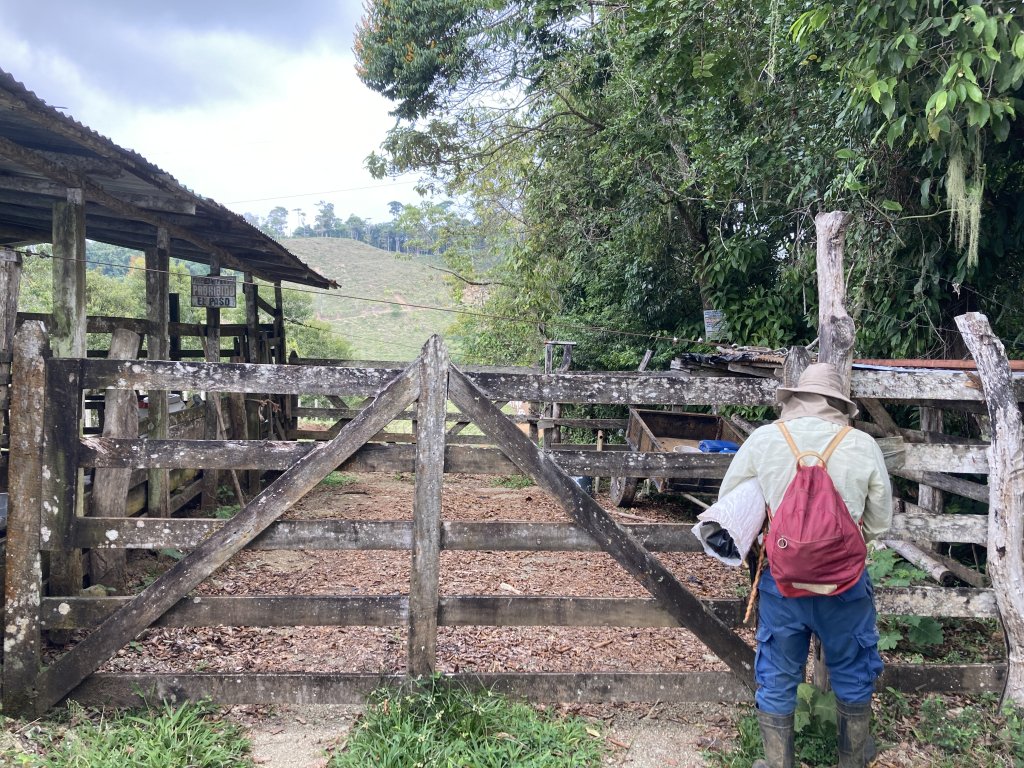
This project aims to generate income for a farming family in Costa Rica by developing a glamping site on their 120-hectare cattle farm. By reducing livestock, the family will lease land and participate in eco-tourism, rotational grazing, and crop sales. The project will promote reforestation, enhance biodiversity, and protect the Diamante Valley watershed. Utilizing bamboo for construction, the initiative will create eco-friendly glamping units and support the local bamboo industry. Experienced partners will ensure sustainable design, permitting, and construction, while marketing experts will help attract eco-tourists and investors.
Location
Regenerative project 150 ha farm Costa Rica
20 year vision
Vision for Landscape Restoration in 20 Years
Restoring Landscapes and Co-Creating a Better Future with Local Farmers
In 20 years, our project envisions a fully restored and thriving landscape on the 120-hectare farm in Costa Rica, demonstrating the transformative power of holistic restoration. Through the collaborative efforts of stakeholders and local communities, guided by the Common Land 4 Returns framework, we aim to create a vibrant ecosystem that balances ecological health with economic prosperity.
Ecological Restoration and Biodiversity:
- Rainforest Restoration: The farm will feature lush, regenerated rainforests with interconnected biological corridors, ensuring a rich diversity of flora and fauna. The initial planting of 1,000 trees will have grown into maturing forests, creating habitats for wildlife and enhancing biodiversity.
- Watershed Protection: By planting trees and implementing rotational grazing, the farm will significantly contribute to the protection and restoration of the Diamante Valley watershed. Increased tree cover will enhance water retention and purity, benefiting local communities and ecosystems.
- Soil Health: Improved soil health through sustainable farming practices and reforestation will foster a resilient agricultural landscape capable of supporting diverse plant species and sustainable food production.
Economic Sustainability:
- Farmer Income Stability: The Vargas family will continue to own and sustainably manage their farm, benefiting from diversified income streams such as eco-tourism, reduced livestock operations, and sales of organically grown vegetables and fruits.
- Eco-Tourism: The glamping site, with its bamboo structures and eco-friendly amenities, will attract tourists participating in reforestation and community activities. This will generate steady income, supporting both the family and local economy.
- Bamboo Industry: By advancing the use of bamboo in construction and teaching local workers its benefits, the project will contribute to establishing a local bamboo market in Costa Rica, providing eco-friendly building materials and economic opportunities. We will have helped farmers to associate with a 4-return landscape practice to cultivate bamboo in mixed zones and thus make an incremental regenerative impact
Community Engagement and Empowerment:
- Local Participation: The project will foster a strong sense of community, with local residents actively participating in restoration activities and benefiting from the economic opportunities created. Community-led initiatives and fair trade practices will ensure long-term sustainability and prosperity.
- Education and Awareness: Ongoing educational programs and workshops will enhance local knowledge on sustainable practices, conservation, and eco-friendly tourism. Visitors will leave with a deeper understanding and commitment to environmental stewardship.
Cultural and Spiritual Integration:
- Spiritual Eco-Tourism: The farm will become a destination for spiritual retreats and eco-tourism, integrating yoga, meditation, and workshops that connect visitors with nature and local culture. This will attract more visitors and promote a holistic approach to well-being and environmental consciousness.
Global Impact:
- Replicable Model: The project will serve as a model for regenerative landscape restoration, inspiring similar initiatives globally. The lessons learned and success stories will be shared to promote the broader adoption of sustainable practices.
- Climate Action: By sequestering carbon and restoring tropical forests, the project will contribute to global climate mitigation efforts, showcasing the importance of local actions in addressing global challenges.
In 20 years, our vision is for the Gama Verde project to stand as a beacon of hope and practical success, demonstrating that restoring landscapes and empowering local communities can co-create a better, more sustainable future for all.