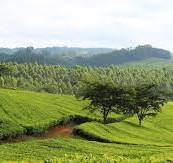
Background info
Aim: Chipembere Community Development Organisation(CCDO) The Indigenous Forest Project aims to conserve and restore native forest ecosystems in the Fombe area of Thyolo district while promoting sustainable community development.
Mission: Our mission is to work closely with local communities to protect and enhance indigenous tree species, preserve biodiversity, and promote environmental sustainability through education, advocacy, and collaborative conservation efforts.
Vision: Our vision is to create a thriving ecosystem where indigenous trees flourish, providing essential habitat for wildlife, supporting local livelihoods, and safeguarding the natural heritage of the Fombe area for future generations.
Objectives:
Conservation: To conserve and protect indigenous tree species and their ecosystems through sustainable land management practices, including reforestation, habitat restoration, and biodiversity conservation measures.
Community Engagement: To actively engage and empower local communities in forest management and conservation activities, fostering a sense of ownership and responsibility for the protection of natural resources.
Education and Awareness: To raise awareness about the importance of indigenous forests and their role in supporting biodiversity, mitigating climate change, and providing ecosystem services, through educational programs, workshops, and outreach activities.
Livelihood Support: To support sustainable livelihoods for local communities through the promotion of eco-friendly income-generating activities such as agroforestry, eco-tourism, and the sustainable harvest of non-timber forest products.
Partnerships and Collaboration: To collaborate with government agencies, non-profit organizations, research institutions, and other stakeholders to leverage resources, share knowledge, and implement effective conservation and development initiatives.
Success Stories:
Increased Forest Cover: Through community-led reforestation efforts and habitat restoration projects, we have successfully increased the forest cover in the Fombe area, providing critical habitat for endangered wildlife species.
Community Empowerment: Our participatory approach to forest management has empowered local communities to actively role in conserving and protect their natural resources, leading to improved livelihoods and a stronger sense of environmental stewardship.
Biodiversity Conservation: By preserving indigenous tree species and restoring degraded habitats, we have contributed to the conservation of biodiversity in the Fombe area, supporting the survival of endemic plant and animal species.
Sustainable Development: Through the promotion of sustainable land management practices and the diversification of income-generating activities, we have helped to build resilient and sustainable livelihoods for local communities, reducing their dependence on forest resources.
Community Resilience: Our efforts to restore and conserve indigenous forests have enhanced the resilience of local communities to climate change impacts, including soil erosion, water scarcity, and natural disasters, thereby improving their overall well-being and quality of life.
Location
20 year vision
20-Year Vision:
In 20 years, the Fombe area of Thyolo district stands as a beacon of successful ecological restoration and sustainable community development, serving as a model for similar initiatives across the region. The once-degraded landscape has been transformed into a vibrant mosaic of indigenous forests, rich in biodiversity and teeming with life. Here’s what the future looks like:
Thriving Indigenous Forests: Vast swathes of Indigenous forests blanket the hills and valleys of Fombe, showcasing the resilience of nature and the power of community-driven conservation efforts. Rare and endangered tree species, once on the brink of extinction, now flourish abundantly, providing essential habitat for a diverse array of plant and animal species.
Biodiversity Hotspot: Fombe has become a recognized biodiversity hotspot, attracting researchers, conservationists, and nature enthusiasts from around the world. The area boasts a remarkable diversity of flora and fauna, including endemic species found nowhere else on Earth. Indigenous knowledge systems are celebrated and integrated into conservation practices, ensuring the long-term preservation of traditional ecological wisdom.
Sustainable Livelihoods: Local communities in Fombe have transitioned to sustainable livelihoods that harmonize with nature, reducing their dependence on extractive industries and fostering economic resilience. Agroforestry systems thrive, providing nutritious food crops, timber, and medicinal plants while enhancing soil fertility and mitigating climate change impacts. Eco-tourism initiatives flourish, offering visitors immersive experiences in the natural beauty and cultural heritage of the region.
Community Empowerment: The Indigenous Forest Project has empowered local communities to take ownership of their natural resources and become stewards of the land. Community-led conservation committees oversee forest management activities, ensuring sustainable use and equitable benefit-sharing. Women and youth play active roles in decision-making processes, driving social innovation and fostering intergenerational knowledge transfer.
Climate Resilience: Fombe’s restored landscapes act as natural carbon sinks, sequestering greenhouse gases and mitigating the effects of climate change. Watershed ecosystems are restored, ensuring reliable water sources for both human consumption and agricultural production. Communities are better equipped to adapt to climate-related challenges, thanks to robust disaster preparedness plans and sustainable land management practices.
Global Inspiration: The success story of Fombe’s Indigenous Forest Project inspires similar initiatives around the globe, catalyzing a global movement for ecological restoration and sustainable development. Lessons learned from Fombe’s journey inform policy-making at local, national, and international levels, shaping a more sustainable and equitable future for all.
In this vision of the future, the Indigenous Forest Project in Fombe, Thyolo district, serves as a shining example of what is possible when communities come together with a shared vision of restoring and nurturing the natural world for generations to come